
Color Psychology: How Colors Affect User Decisions
Color is more than just aesthetics; it plays a psychological and emotional role in user experience. Colors influence decision-making, perception, and engagement.
Modern color psychology in UX is data-driven, utilizing trends, cultural influences, and accessibility standards to craft meaningful experiences.
This guide will cover:
— How color psychology affects user behavior
— Modern color trends and their impact on UX
— Best color palettes for different industries
— Case studies of successful color usage in UI
— Common color mistakes to avoid
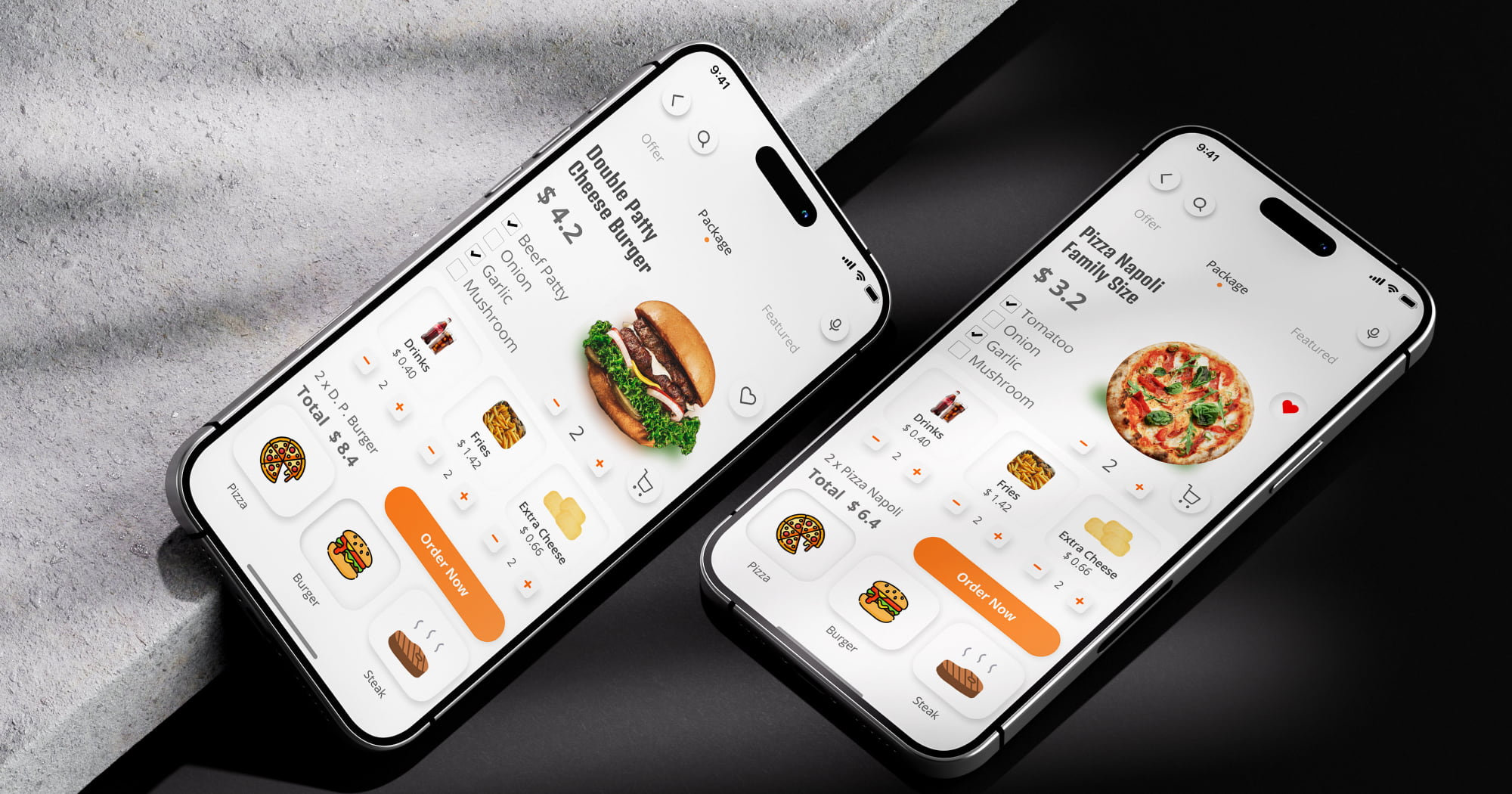
1. The Science Behind Color Psychology in UX
— 1.1 How Colors Influence Emotions & Actions
Different colors evoke specific emotions and behaviors:
Red: Energy, urgency, passion → Used in call-to-action buttons (e.g., Netflix, YouTube Subscribe).
Blue: Trust, security, professionalism → Used by fintech and corporate brands (e.g., PayPal, Facebook, LinkedIn).
Green: Growth, health, peace → Common in wellness, finance, and sustainability (e.g., Starbucks, WhatsApp, Mint).
Yellow: Optimism, happiness, warning → Used in marketing and alerts (e.g., McDonald's, Snapchat).
Orange: Creativity, enthusiasm, call to action → Ideal for e-commerce (e.g., Amazon, Fanta, SoundCloud).
⚫ Black: Luxury, power, sophistication → Used in high-end branding (e.g., Apple, Chanel, Nike).
⚪ White: Simplicity, minimalism, cleanliness → Popular in healthcare, SaaS, and tech (e.g., Google, Tesla).
— 1.2 The Role of Warm & Cool Colors in UX
Warm Colors (Red, Orange, Yellow): Create excitement, urgency, and high energy.
Cool Colors (Blue, Green, Purple): Create calmness, trust, and professionalism.
Neutral Colors (Gray, White, Black): Provide balance and sophistication.
Case Study: Duolingo uses green to promote learning motivation, while Instagram’s gradient invokes warmth and engagement.
2. Modern Color Trends & Their Impact on UX
2.1 Trending UI Color Schemes for 2024-2025
Neubrutalism (Bright Contrasts & High Saturation) → Used by Spotify, Figma.
Pastel & Muted Tones (Soft & Minimalist) → Ideal for wellness, SaaS.
Dark Mode UI (Black + Neon Highlights) → Popular in fintech, dashboards.
Gradient UI (Color Fusion & Depth) → Used by Instagram, Stripe.
Cyberpunk Neon (Vivid, Bold Aesthetics) → Popular in gaming, AI apps.
— 2.2 Cultural Considerations in Color Usage
Color meanings vary by culture:
Red in China = Luck, celebration, while in the West = Danger.
White in the USA = Purity, but in some Asian cultures, it symbolizes mourning.
Tip: Research cultural color associations when designing global products.
3. Next Steps: Where to Go from Here?
3.1 Accessibility & Contrast Guidelines
- Follow WCAG 2.1 contrast ratios:
- Normal text: 4.5:1 contrast ratio.
- Large text: 3:1 contrast ratio.
- Use high-contrast buttons for CTA elements.
- Ensure color-blind-friendly palettes using tools like Color Oracle or Stark.
Case Study: Twitter/X switched from blue to black-and-white branding for higher contrast & modern appeal.
3.2 Psychological Color Placement in UI
— CTA Buttons: Use red, orange, or green to drive action.
— Backgrounds: Light colors (white, pastel) improve readability.
— Navigation Bars: Dark colors provide structure and focus.
— Error Messages: Always use red for clarity.
— Success Messages: Use green to indicate confirmation.
Example: Amazon uses orange CTAs because orange boosts click-through rates (CTR).
4. Common Color Mistakes & How to Fix Them
Mistake 1: Using Too Many Colors
— Fix: Stick to a primary + secondary + accent color scheme.
Mistake 2: Low Contrast Text & Backgrounds
— Fix: Ensure contrast ratios meet WCAG guidelines.
Mistake 3: Ignoring Dark Mode Compatibility
— Fix: Create adaptive color palettes for light & dark mode.
Mistake 4: Choosing Colors Based Only on Aesthetics
— Fix: Use color psychology to drive UX decisions.
5. Real-World Color Psychology Case Studies
Case Study 1: Facebook & Blue Branding
- Why blue? Blue fosters trust and reliability.
- Impact: Increased user engagement and brand loyalty.
Case Study 2: McDonald's & Red/Yellow CTA Strategy
- Why red & yellow? Red triggers appetite, yellow boosts happiness.
- Impact: Higher order volume and brand recognition.
Case Study 3: Apple’s Minimalist Monochrome Palette
- Why black, white, silver? Premium, sleek, futuristic feel.
- Impact: Strong luxury appeal & brand loyalty.
Final Thoughts: Mastering Color Psychology in UI/UX
Color is a powerful UX tool that influences emotions, engagement, and conversion rates. Follow the best practices outlined here to enhance usability, create emotionally resonant designs, and improve accessibility.
Action Steps:
— Select colors based on psychological impact & industry best practices.
— Optimize UI colors for accessibility & contrast compliance (WCAG).
— Use A/B testing to determine the best color choices for conversions.
— Keep up with modern color trends & responsive dark mode palettes.
Bookmark this guide for future reference and level up your UI color strategy!